
Book review · A reader’s perspective
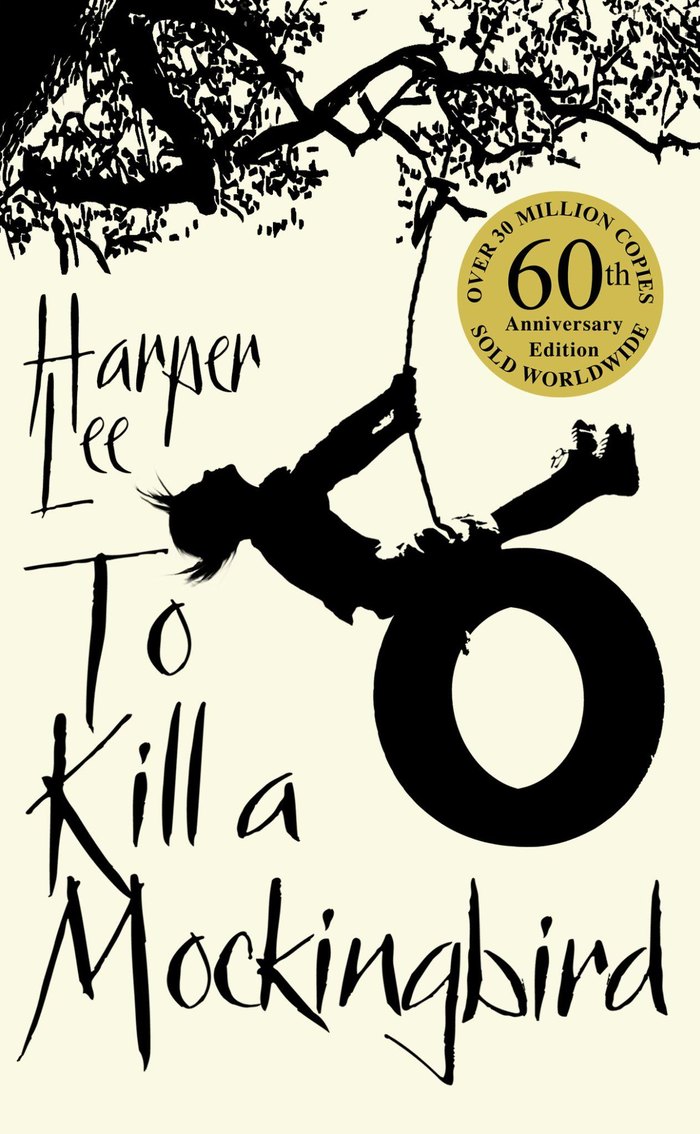
To Kill a Mockingbird
by Harper Lee
Adults are supposed to know better. Scout Finch gives us plenty of reasons to question that.
Genre
- Literary Fiction
- Coming-of-Age
- Historical Fiction
Categories
- Classics
- American Literature
- Family & Society
- Racism & Social Justice
Mood
- Reflective
- Tender
- Quietly Humorous
- Unsettling
- Poignant
In To Kill a Mockingbird, Scout recalls her childhood in fictional Maycomb, Alabama, during the 1930s. She and her older brother, Jem, spend their summers with Dill, inventing stories about their reclusive neighbour, Boo Radley. When their father, Atticus, defends Tom Robinson, a Black man falsely accused of raping a white woman, the town’s racism enters their everyday lives. (National Endowment for the Arts)
The story takes its time. School troubles, games and neighbourhood gossip come before the courtroom tension. Scout’s blunt observations make room for laughter. Gradually, though, familiar faces become harder to trust. The slow beginning matters: you get to know Maycomb before seeing what its people are prepared to excuse.
The Finch family gives that unease a personal weight. Atticus tries to answer his children honestly, even when honesty cannot reassure them. Scout and Jem bicker, protect each other and slowly stop understanding the world in quite the same way. Jem’s struggle to make sense of injustice is especially painful. Calpurnia, who helps raise them, brings affection and firm boundaries to their home.
Boo stays with you, too. The children turn him into a frightening story long before they think to question what they have heard about him.
Lee seems to ask how we learn compassion, and why we so often make exceptions to it. There is tenderness here, alongside anger and helplessness. Scout’s viewpoint also has limits: Tom’s inner life receives much less attention than the Finch family’s growing understanding. That imbalance deserves thought, too.
“The one thing that doesn’t abide by majority rule is a person’s conscience.”
Is it your next read?
Why read it
- Read this if you are drawn to family relationships, moral questions and characters whose understanding changes slowly.
- Older teens, adults and book clubs will find plenty to discuss about racism, empathy and courage.
- Writers may also enjoy noticing how childhood incidents build towards larger conflicts.
Save it for later
If you want a fast courtroom thriller or a comforting escape, save it for another mood. Expect a leisurely opening, racist language, sexual-assault allegations and violence.
What lingers
The mockingbird becomes an image of innocence harmed by cruelty. What lingers is the ache of watching children discover that fairness cannot be taken for granted and the question of how often we accept a story about someone without ever knowing them.
Over to you
Which character changed the way you saw Maycomb?
Reading like this is how writers grow.
If a book has stirred a story of your own, a short conversation is a good place to begin.
Tell us about your book